‘I’m very hopeful about the future of journalism’: Media interview with Rachel Duffy, head of community at The Times and The Sunday Times
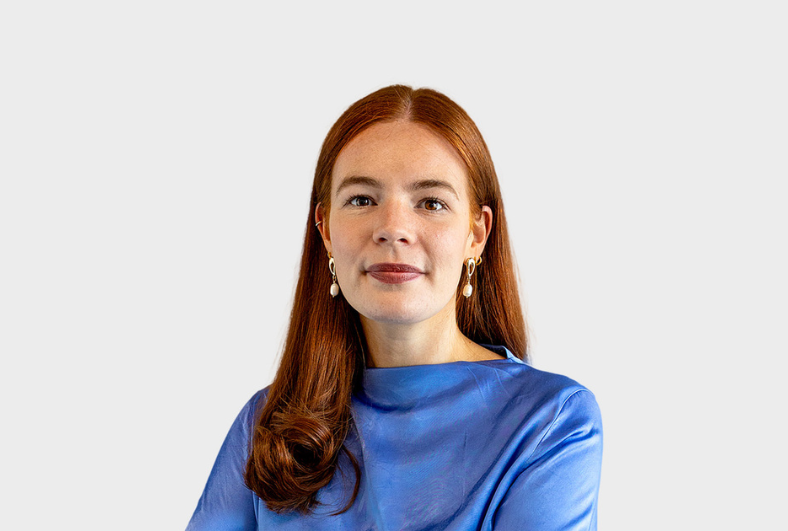

Engaging with readers is a key part of journalism and has become even more important for newspapers, as audiences start to turn away from the major news outlets. Building a community that people feel a part of goes hand in hand with that engagement, and is an area that Rachel Duffy, Head of Community at The Times and The Sunday Times, specialises in.
Having previously worked as Deputy Head of Community at The Telegraph, Rachel has been in her current role since February and has looked to develop a new community as she founded the Young Journalist Network. We caught up with her to discuss the important aspects of fostering a community, how young journalists are navigating the current media landscape, and her hopes for the future of journalism.
You’ve been in your role as Head of Community at The Times for around six months now, how have you found the role so far and what does a normal day consist of for you (if there is such a thing!)?
I’ve found the role incredibly interesting. The focus specifically on communities and fostering the community of our readers’ subscription-based business model has been brilliant. We have been thinking about quite innovative and pioneering ways in which we can do that, using some AI-enhancement for more of the day-to-day comment moderation, which has really freed up a lot of the team’s time to think about the big picture. For example, what does community look like? How do we foster deeper relationships with the readers? Whether it be live Q&As with their favorite columnists, whether it be events like the one we hosted after the local elections, what specifically that looks like.
I guess no two days are the same. I always read our site and competitor sites at the beginning of each day, thinking about ways that we can bring reader voices into whatever the biggest news stories of the day are. Quite often, that’s polls on the biggest talking points and conversation starters. Aside from that, it’s very dependent on the project that we’re working on, the live Q&A or event that we’re trying to organise, and various meetings with other desks to try and help them foster that community. We have to ask; what does a money and business community look like? What does the sport community look like? So obviously we’ve just come off the back of the World Cup, but we spent a lot of time thinking about how to pull Times reader voices into our World Cup coverage.
The main focus of your role is engaging with readers. With statistics showing that many younger readers are losing interest in newspapers, what is The Times doing to bring them back to the news?
We have an incredible audience strategy that includes brilliant work with social video. We now have specialist social video editors that are doing the same thing I do. They’re trawling the site and they’re thinking; who would be good on camera? What stories would be good to be told on Instagram or on TikTok? That’s one of the biggest ways that we’re attracting those new audiences.
Then, also from my perspective, I’m thinking in terms of retention of readers, too. After the local elections in May, our competitors were having panels of experts discuss what the results mean. But we decided we want to platform our readers and make them centre stage. We had five different readers, each representing the political party that they had voted for in May’s local elections, and the youngest person was a 16-year-old who, in the next General Election, will be able to vote for the first time. He came in and represented Labour, he’s a Times reader, and likes the coverage. Our Reform voter was in his 60s, and we had a Green voter who was in their 20s, very much Gen Z. It’s not just about getting new audiences through social, but it’s also highlighting and platforming the younger audiences that we do have. Like any news brand, we could always have more young readers, but the ones that we do have, we’re making sure that they’re visible.
Tell us about the Young Journalist Network that you set up?
I founded it in January 2025, so we’ve been going just over 18 months now, and growing at pace, which is very exciting. The aim of the network is twofold, firstly, to help the next generation of journalists enter the industry, so that we have a news ecosystem in ten years’ time that tells the stories of the audiences that we want to attract and that we want to retain. Secondly, it’s about targeting the ‘brain drain’ (for want of a better phrase) that happens when journalists that have fought so hard to get into the industry hit 30 and see their friends in marketing, PR, comms, earning double or triple their salaries with much better working hours.
Hosting events like the one we did at Reddit HQ can really help. Reddit is the buzzword, as they’ve done a deal with Google and they’re constantly surfacing on LLMs. Every journalist is saying, “How do I source stories on there? Should I be on the platform? How do I market myself?” What better way to answer this than to get 40 journalists in a room with people that work at Reddit who can answer those questions.
What prompted you to start the network, did you see a gap in the market?
Absolutely, but there’s a lot of brilliant organisations, and YJN doesn’t claim to be doing something completely innovative. Women in Journalism, Press Gazette, Journo Resources, JournalismUK, they are all amazing organisations that are making the industry more accessible and putting on events and conferences where people can skill share and knowledge share. But there wasn’t anything specifically for under-35s, and I think it’s a generation that’s uniquely placed to tell really innovative stories on platforms that didn’t exist ten to twenty years ago.
It’s also a generation that maybe needs a bit more help and support, and didn’t necessarily come into journalism through traditional methods of local newspapers. It’s also the COVID generation too and it’s a very different culture now. It’s about providing a space where young journalists can come together, can talk about work, talk about things that aren’t work, can speak to someone that does the exact same job as them at the BBC, at The Guardian, at the Mail, and just organically have those conversations.
On a personal level as well, I always knew I wanted to go into journalism, but it felt very inaccessible. I’ve completely lost the accent but I grew up in Teesside, Middlesbrough, and countless teachers said that journalism was out of reach, and I didn’t have those connections. That’s why we founded it, to be able to help more people come into the industry. We’ve partnered with a few different universities, and we are doing our first regional event back in Teesside in November with local journalists. We are also partnering with universities in the Midlands and Warwick, where I studied too, so it’s not just this London ecosystem. There’s always going to be a lot of journalism and media here in the capital, but we are trying to make it feel a bit more accessible.
You’ve also very recently joined the Women in Journalism committee (congratulations!). How will you be working with the group, and what are you looking forward to getting stuck into?
I think the relationship that we’ll have is very unique in that to be a member of Women in Journalism, you have to have been in the industry for two years, whereas that’s not necessarily the case of the YJN membership. A lot of people have been in the industry for over ten years but a lot haven’t. It will be quite a nice dovetail, especially for the university and postgraduate group, and also helping them build out their younger community, so that people go to events and they see people of their age and stage.
I think Women in Journalism is absolutely brilliant, but they’re almost a victim of their own success in that they do have a lot of very senior editors and women in the industry at their events. I think sometimes younger generations can maybe find that a little bit intimidating, so it will just be about breaking down those barriers. I’m very excited to be working with them more formally.
As a journalist still fairly on in their career, what do you expect from the future of journalism and what should aspiring journalists be doing now to have the best chance of succeeding in the industry?
Probably not the most common answer, but I’m very hopeful about the future of journalism. I think with every big breaking news story, people increasingly want trusted factual sources and stories on that. Looking back at Trump’s first election, the New York Times basically doubled or tripled their subscriptions from that news event, which shows there’s certainly an appetite for news.
I think newsrooms are doing a brilliant job at trying to attract younger audiences as well, and I think that journalists as a whole should be focusing on their work on platform and also increasingly off platform. Every journalist has LinkedIn and Twitter, but looking at some of those other platforms like Reddit, not just for how to market themselves and their work, but also how to source original stories. It’s the role of companies as well, but how individual journalists and stories and organisations are surfacing on LLMs, and just staying abreast of those latest industry updates as well.